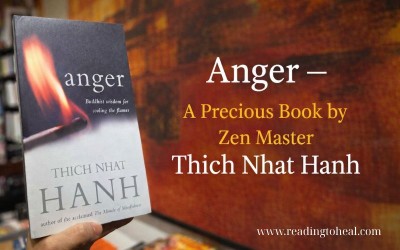
Who is Osho? Why Do Many People “Fear and Hate” This Zen Master?
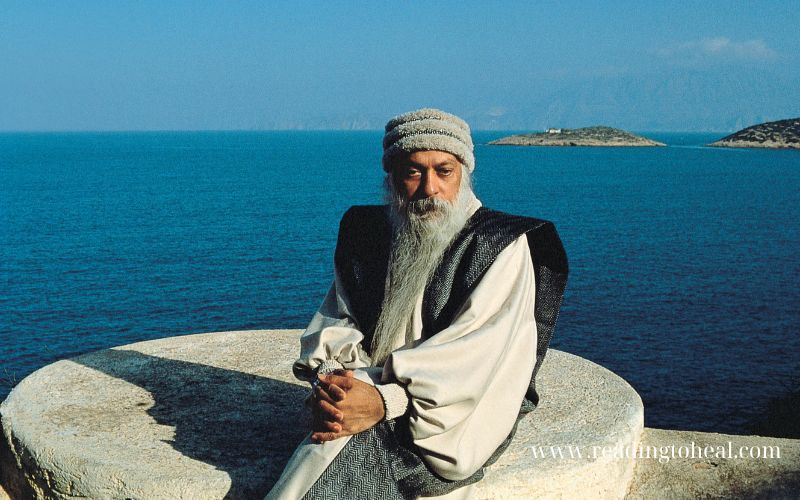
Who is Zen Master Osho?
You will easily find answers regarding the biography and famous works of Zen Master Osho. That information is rampant on the Internet. But don't be quick to believe all the opinions in those articles. The reason is as I shared above: Osho is an "exceptional" figure - many people love him, and many people hate him.
That’s why you will see articles like "Be cautious when reading Osho’s books," "Osho is a religious blasphemer," or even the TV program in the US, Enemies of America - where Osho was "named and shamed."
So, who is Osho? First, let's look through a few milestones in this Zen master's biography.
Osho’s real name was Rajneesh Chandra Mohan Jain, born and raised in India. By the 1970s, he became known as Bhagwan Shree Rajneesh. Then, in February 1989, he changed his name to Osho - a title in old Japanese meaning "teacher" or "master."
Below are some major milestones in Osho’s life:
- 1931 - 1970: He was born in a small village in Madhya Pradesh, India. His family followed Jainism. But he was described as a rebellious child, skeptical of traditional religion. After growing up, he attended university and became a speaker in the 1950s and 1960s, attracting much attention.
- The 1970s: Osho moved to Mumbai and established a spiritual center there. Later, he founded a large spiritual center in Pune, attracting thousands of seekers from all over the world.
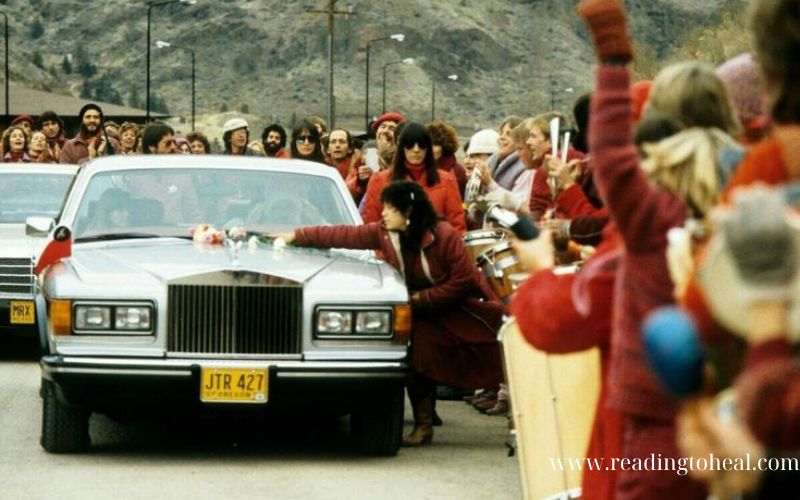
- 1981 - 1985: Osho moved to the United States and established the Rajneeshpuram community in Oregon on an abandoned ranch with many devoted followers. However, this community later became entangled in legal scandals, and he was deported from the US in 1985.
- 1985 - 1990: After being deported, he traveled around the world, but under pressure from the US, he was refused entry by many countries. Finally, he returned to India. In 1989, he changed his name to Osho. He passed away on January 19, 1990, in Pune.
Deep Dive: One of the biggest reasons for the controversy surrounding Osho was his fleet of 93 luxury cars. Was it greed, or a spiritual lesson? Read the true story behind Osho and his 93 Rolls Royces here.
The Truth About Osho That Few Understand
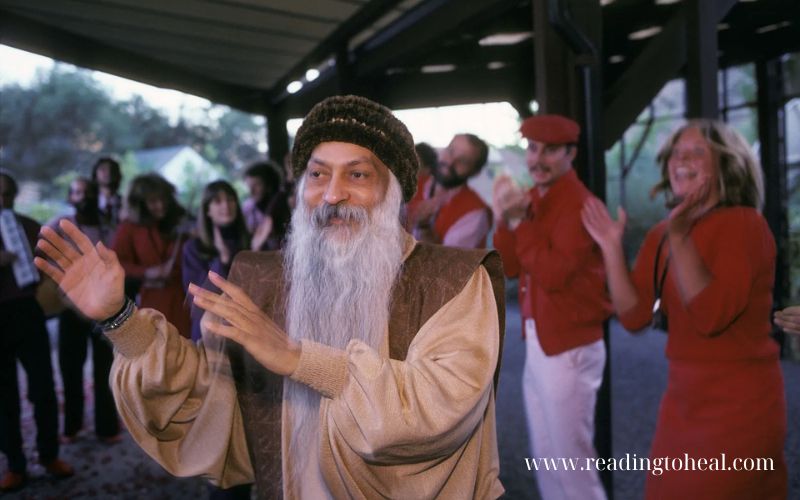
By some twist of fate, I started reading Osho’s books in 2016 - the year I turned 26. Before that, I knew nothing about him or the concepts of awakening, spirituality, ego, enlightenment…
I vividly remember the feeling when I first read his book, First in the Morning: A new space seemed to open up within me - something I had been completely unaware of. I had to exclaim, "Is there this wonderful thing inside me?" And so, one book led to another; I sought out his talks compiled into books, and I began the journey of finding myself.
Of course, on this journey, I also constantly wondered, "Who is Osho?" At times, I was confused, afraid that I might be "losing my mind" reading articles that criticized Osho. But the more I researched and read what he left behind, I realized one thing: Osho was an extremely simple person, with only one desire: to tell everyone the truth of life, so they could escape the grip of society and find freedom for themselves.
To truly feel the power of his words, you can explore the 100 best Osho quotes on love, life, and meditation that have awakened millions.
Perhaps that’s why Osho is such a controversial figure. From West to East, the number of people who love him is vast, and the number of people who hate him, even severely criticize him, is equally countless.
It can be said that among famous Zen masters, Osho is the most polarizing, so calling him a "rebel" or an "exceptional" figure is not wrong.
He had an incredibly intense charisma. In his lifetime, those who met him or heard him speak all admitted that he possessed a personal magnetism that the listener could not resist. There is a story that a newspaper that fiercely disliked him sent a reporter to infiltrate the Osho community with the goal of "exposing the truth." But in the end, that very reporter quit the newspaper to follow Osho.
So, who is Osho, really? Where does the real Osho lie? Perhaps no one can ultimately answer this question completely.
The Important Messages of Zen Master Osho
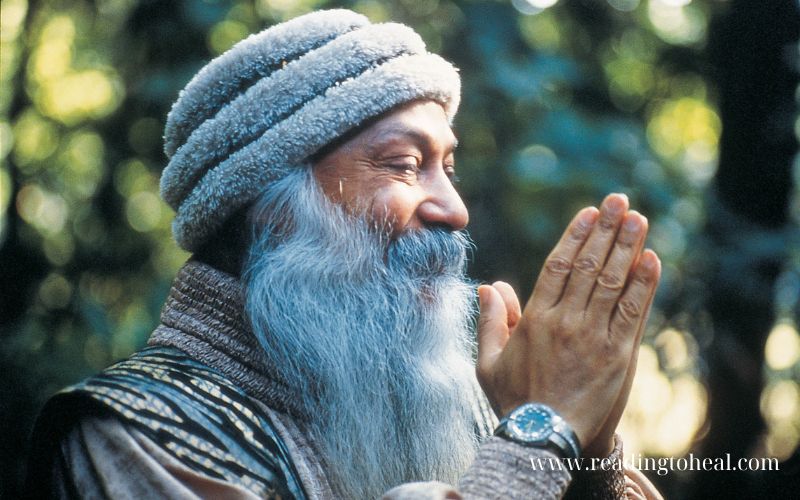
The more I learned about Osho, the more I realized that the way he "rebelled" was actually part of his "plan." In other words, it was a way for him to transmit the most important messages for humanity.
He had a monistic view of the universe. For him, the divine resides in everyone and everything. All of us, even the worst person, contain the sacredness of creation. In other words, he wanted all of us to understand that: The most wonderful thing is inside everyone, the greatest treasure is always within ourselves.
Osho believed that the highest values of human life are love, joy - laughter, and meditation. And, the most priceless gift of human life is to taste the sweetness of enlightenment. He described enlightenment as "resting in the ordinary state of the existence of all things that are building the universe."
He emphasized that any human being can become enlightened because everyone already carries the Buddha-nature inside. However, we are being misguided by thought, by desires and cravings - things born from society. For that reason, the more humans live in what is called "civilization," the further they drift from their true nature and must live their whole lives in fear, anxiety, and suppression. To return to innocence, to find peace, we need to liberate ourselves from that control.
It can be seen that the message Osho wanted to convey is entirely within the tradition of Indian philosophy, especially Mahayana Buddhism. In other words, his message is also the message conveyed by many Zen masters like Aurobindo, Krishnamurti, Thich Nhat Hanh... If you look deeper, those are the practices of Tibetan Buddhism. That is, what he said and discussed absolutely coincides with what humans have sought from time immemorial.
However, Osho's difference is that he spoke about these realizations eloquently and freshly. He even spoke humorously, incorporating jokes and seemingly playful statements. That is why many people wonder, "Who are you, Osho?" and why this contradiction exists within him.
The Special Qualities of Osho’s Meditation
If you are looking for information to answer the question, "Who is Zen Master Osho?" then congratulations, you have placed one foot on the path of enlightenment, the path of finding yourself. If you want to go further, you can learn more about his special method of meditation, which Reading To Heal will introduce below.
First, Osho asserted that meditation is not concentration. Because concentration is thinking, concentration is tension - that is not meditation. For him, meditation is a state "beyond the mind"; meditation is a state of absence of thought.
In other words, the philosophy or definition we usually hear about meditation is a discussion about silence - whereas meditation is the silence itself. This state can happen suddenly; we can be in it without actively creating it.
If we compare Osho’s concept of meditation with that of East Asian Zen Masters, including those from China, Japan, and Vietnam, we see that it is completely the same. The only difference is that Osho proposed a different method of meditation practice.
Specifically, Zen Master Osho believed that modern people, especially in the West, find it very difficult to sit in meditation, to sit still and stop the thoughts in their heads. Therefore, he introduced active meditation methods to naturally lead people into a state of meditation.
With this method, he allowed people to shake off their inner suppressions by letting them be expressed externally. For Osho, to escape fear and suppression, we must agitate it so it surfaces, then observe it, taste it, and finally realize that it is merely "empty."
Osho's method, which involves "actively stimulating human desires" for contemplation, is a tradition in India. Also, among monastics in the Vajrayana tradition of Tibet, there is the principle of transforming the energy of desire into energy for liberation. Or, in Western psychoanalysis, there is the healing practice of Gestalt Therapy: patients are encouraged to live genuinely, crying, laughing, or shouting intensely to break free from repression.
But Osho had reached a different level; in other words, he stood above the things he spoke about. Meanwhile, his disciples, those who followed him, were still on the path of seeking. That’s why, when he applied it to the general public, their instincts arose - and this, in turn, created difficulties for his community.
Osho’s Path to Liberation
Osho once said that once you step onto the path of finding yourself, of awakening, you cannot take a step back. In this very moment, you are already a different version of the "ignorant you" of yesterday. But keep moving forward, keep facing it.
Osho advocated that the path to liberation must involve confronting and experiencing everything to transform oneself. He compared this to the lotus flower, which must firmly cling to the dark mud to extract the essence from it in order to create pure flowers and fragrance.
All his teachings are flawless and speak truly to Vajrayana. He only had one wish: that everyone would awaken, everyone would recognize their intrinsic divine nature.
But his path to liberation consequently encountered many people who "cared little for the divine": disciples who came out of curiosity, disciples who profited from his teachings, and even those who betrayed him… Indeed, after his death, no one was strong enough to teach in a way that truly honored having studied with him. But that is the nature of life; that is what we need to understand.
When Osho died, his movement also dissolved. Many will feel regret, but he himself would not regret it because he had transcended regret. He was a wandering cloud in life, and he had performed his role in this life excellently.
To conclude this article, some say that "only Osho knows whether he succeeded or failed, but he didn't care about it"; he just felt he had to speak, had to act, had to convey the messages he felt needed to be shared.
If you read Osho's books, you will understand him and be able to guess that whether he spoke one way or another, spoke East or West, everything was part of his intention. Perhaps, he knew that his mission was "to cause an uproar like a madman" so that people would finally pay attention to what he was saying. Hence, the question "Who is Osho, what kind of person was Zen Master Osho really?" perhaps doesn't need an answer - at least for those who read up to this line!