Thich Nhat Hanh’s book Silence: How to Turn Off the NST (Non Stop Thinking) Radio?
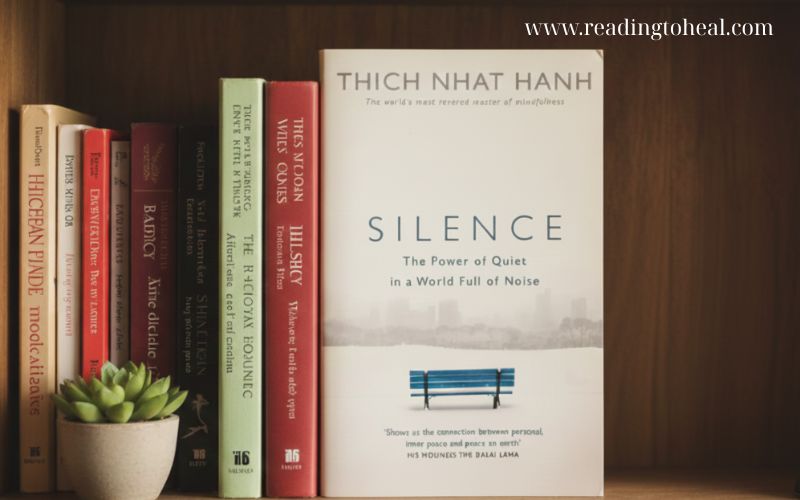
The NST Radio – Non Stop Thinking
In the opening of Silence, Thich Nhat Hanh writes:
“It is a miracle to be alive and to walk on this Earth, yet most of us run as if there were somewhere better to get to.”
He explains that life around us is full of wonders - the beauty of the Earth calls to us every moment, yet we rarely hear it. The reason is simple: “Our body and mind are full of noise,” and “we lack inner silence.”
“There is a radio playing in our head,” he says, “the NST - Non Stop Thinking radio.” Because of this constant broadcast, we cannot hear the voice of life or the voice of love. We have no time to listen to our own hearts.
In other words, our minds are often trapped in regret or sorrow over the past, or in fear and anxiety about the future. Even when we try to be present, “the mind still scatters and feels empty.” You can easily see this for yourself: try doing nothing for just one day - your mind will scream and refuse to sit still. That’s the NST radio Thich Nhat Hanh was talking about.
Be Moderate with Noise

In Chapter One of Silence, Thich Nhat Hanh advises us to begin a life that is “moderate with noise.”
He writes,
“All day long, we are bombarded with information, sounds, and endless noise from the outside world. Even in the rare moments without words, sounds, or external input, our minds remain full of nonstop internal chatter.”
So how many moments of true silence do we actually have each day?
We’ve become so accustomed to the noise - both external and internal - that we can no longer detach ourselves from it. As the teacher says, “We are afraid of silence.” We constantly seek something to fill our heads: books, music, the radio, TV, or even our own thoughts. These are all forms of mental food, keeping the mind restless and preventing it from hearing the beauty of life.
Learning to Turn Off the NST Radio
Observe your mind for a while - you’ll see yourself “chewing and re-chewing your thoughts” all day long. Even when you’re not talking to anyone, not reading, not watching, not online, you still may not feel peaceful or at ease.
Thich Nhat Hanh writes: “We must learn how to turn off the NST radio in our heads. This kind of consumption is not healthy.” The first step, he says, is to “speak and think less.”
Then, we must realize that within us are both “seeds of happiness and love, and seeds of anger and restlessness.” What we need to do is “water the wholesome seeds and refrain from watering the unwholesome ones.”
He suggests that “sitting quietly for a few minutes is the easiest way to begin training yourself to let go of the habit of overthinking.” When you sit still, you can observe how your thoughts arise - and practice not chewing on them again and again.
Of course, this process is not easy. Our minds are often clouded by too many “dark clouds.” But we can start simply - like taking a mindful walk. Thich Nhat Hanh says, “Walking is a wonderful way to purify body and mind without any effort. Just walk, and when you focus on walking, joy and awareness will naturally arise.”
Five Minutes of Silence a Day
Before reading Silence, I went through a period of constant restlessness - always afraid of missing out on something. I was that person who checked emails countless times a day, searching for something new, or scrolled through Facebook and news sites just to fill the void inside.
Thich Nhat Hanh writes:
“The common illness of our time is the constant need to fill the inner void with something.”
But the more we try to fill it, the more exhausted we become. The first step, according to him, is to stop thinking. We need to return to our breath and bring peace to body and mind. Especially when facing life’s problems, “find the answer without thinking” - let your store consciousness respond, instead of letting the intellect or emotions lead the way.
Through gentle, heartfelt writing, each chapter of Silence helps us understand why we rarely feel truly at ease - and how we often confuse inner stillness with oppressive quietness.
In the later chapters - The Power of Silence, Mindfulness, Right Speech and Deep Listening - Thich Nhat Hanh shares a striking story: when American soldiers entered Báo Quốc Temple to capture Việt Minh fighters, they were stopped by a “strange and invisible power” as they saw 50 or 60 monks sitting silently in meditation.
He emphasizes that creating a space for mindfulness is easier than we think. For instance, when you wake up, start your morning with a mindful breath - that alone is your meditation hall. Or simply take a five-minute mindful walk each day.
At the end of the book, Thich Nhat Hanh gives us a gentle reminder on how to “sit just to sit”: “Don’t do anything. Just sit quietly. Don’t sit to achieve anything.”
That is meditation. That is silence. That is the path back to yourself.
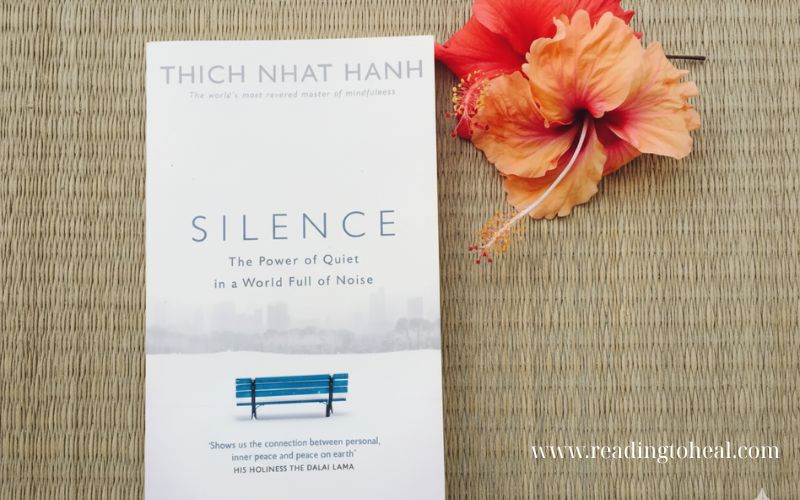
Silence is one of Thich Nhat Hanh’s books that I cherish the most - small, simple, and incredibly easy to read. So, go find a copy and start reading today.
Next Step on Your Journey: Now that you’ve learned the art of silence, are you ready to look deeper into the nature of your existence? We invite you to read our review of No Death, No Fear: Comforting Wisdom for Life, a book that transforms the way we look at living and dying, and practicing mindfulness in everyday life with The Miracle of Mindfulness.
And if, along that journey, you wish to understand how to work with strong emotions that arise in daily life, you may also explore Anger. In this powerful teaching, Thich Nhat Hanh offers practical guidance on recognizing, embracing, and transforming anger through mindful breathing and compassionate awareness.
Written by Readingtoheal.com